The Galápagos Islands remain one of the most authentic natural experiences that exist on our planet. The volcanic archipelago lies approximately 1,000 kilometers from the Ecuadorian coast and serves as a living museum because its wildlife exists without human interference.
The sea route, connecting the volcanic islands, enables visitors to witness a landscape that includes giant tortoises, which inhabit ancient highlands, underwater marine creatures, and black lava fields extending to the horizon. The experience of this destination does not resemble traditional beach vacations because visitors must actively move through the space while they discover new things and observe wildlife at all times.
The Galápagos Islands offer visitors complete environmental and geological experiences through their various travel routes, which include small expedition vessels and local island-hopping boats.
A Remote World Shaped by Fire
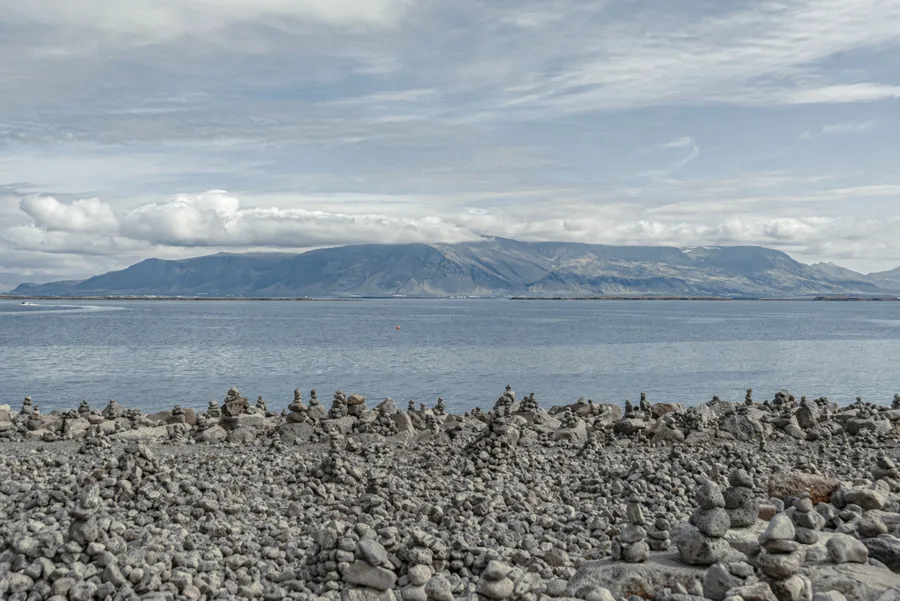
The Galápagos Islands exist because of volcanic activity, which continues to show its effects throughout the islands. The landscape consists of towering volcanic cones, solidified lava streams, and unusual rock formations.
The island of Bartolomé displays its extraterrestrial appearance through open areas that contain black and red volcanic rock formations that resulted from recent geological activity. Boating between islands demonstrates the extreme differences that exist between the different locations.
You begin your Galapagos cruises journey by moving through sharp cliffs that protect themselves against ocean waves that crash onto volcanic rock; then you approach tranquil bays, which feature white sandy beaches and turquoise waters. This contrast is one of the defining features of the Galápagos experience.
The Legacy of Charles Darwin
The Galápagos Islands are inseparable from the work of Charles Darwin, whose observations here contributed to the development of the theory of evolution by natural selection. The islands possess scientific value because their remote location prevents outside access to their ecosystems. Species evolved independently, adapting to specific island conditions, resulting in a high number of endemics found nowhere else on Earth.
Encounters with Iconic Wildlife
The primary reason most visitors travel to the Galápagos Islands exists because the islands provide exceptional wildlife experiences that never fail to satisfy visitors. The islands demonstrate their unique character through their multiple species and their distinctive ways of living. The animals in this region developed their ability to tolerate human contact because they faced no natural threats throughout their evolutionary history.
The giant tortoise stands as the most famous resident of the islands because it has the ability to live for more than one hundred years. The giant tortoise inhabits the highland regions of Santa Cruz Island, where it spends its time moving through dense plant life while eating and resting in muddy areas. The islands provide their best experience through observing the massive ancient creatures that move at their own pace in their natural habitat.
Visitors will notice sea lions along every section of the coastlines. The animals assemble in various locations, which include beaches, docks, and park benches, where they often form large groups. The animals maintain a continuous presence through their curious and playful behavior, which you can observe while walking through the town or snorkeling in shallow waters.
Life Above and Below the Surface
The Galápagos Islands provide two different viewing modes, which allow visitors to see both terrestrial landscapes and underwater ecosystems. The experience requires snorkeling and diving because they enable visitors to explore one of Earth’s most biodiverse marine ecosystems. The warm seasonal period from December until June represents the peak time when people participate in water activities.
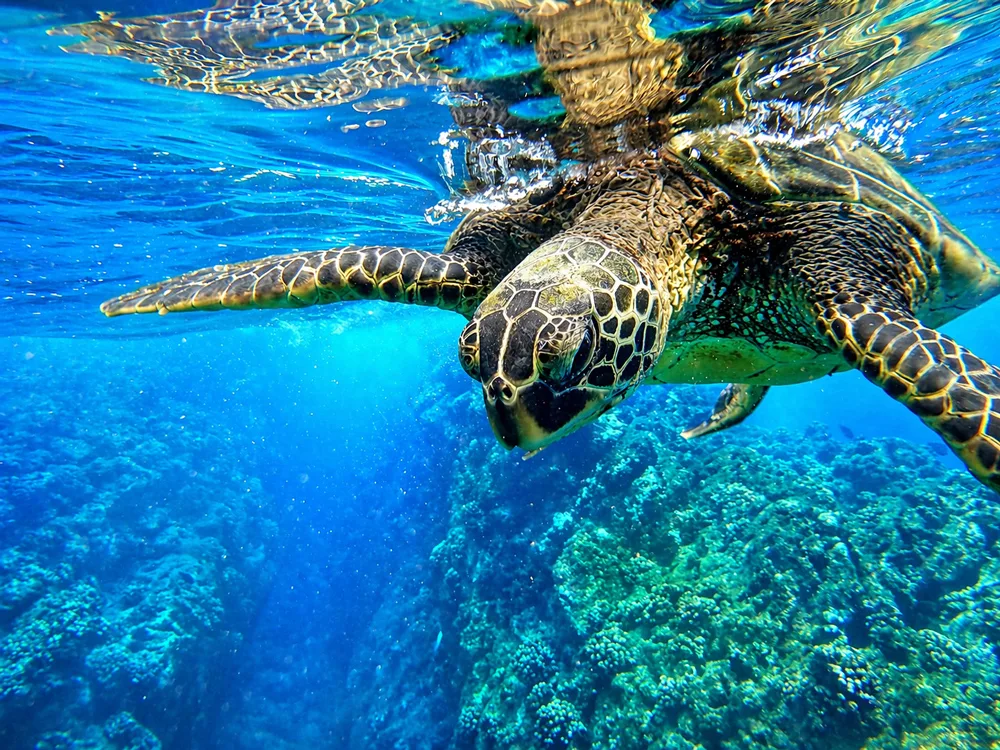
The time period provides better snorkeling conditions because the sea becomes calmer and the water reaches higher temperatures, although the actual conditions will fluctuate. From an underwater location, visitors can expect to meet sea turtles, rays, reef sharks, and large groups of fish that travel together in organized patterns.
Specific locations have gained fame for their ability to provide visitors with marine wildlife experiences. Visitors to Kicker Rock can experience its underwater landscape and watch hammerhead sharks swim through the area. Even snorkelers can have exceptional experiences because they can see marine creatures that swim near the ocean floor.
Navigating the Islands by Sea
There are two primary ways to explore the Galápagos: by cruise or by independent island hopping. Both rely heavily on sea travel, but they offer different perspectives.
Cruises provide a structured, all-inclusive experience. Small expedition vessels travel between islands, often accessing remote areas that are otherwise difficult to reach. Guided excursions, meals, and accommodation are typically included, making this a convenient option for those seeking a seamless journey.
Island hopping, on the other hand, involves staying on inhabited islands and traveling between them via public ferries or organized day trips. These boats are usually small and fast, with journeys lasting two to three hours depending on the route. While less luxurious, this approach allows for a more flexible and often more affordable experience.
Traveling by sea, regardless of the method, is essential. It connects the islands, shapes the rhythm of the journey, and provides constant exposure to the surrounding environment. Even the act of moving from one island to another becomes part of the adventure.
A Balance Between Tourism and Conservation
The Galápagos Islands are a protected area, and strict regulations are in place to preserve their ecosystems. Visitors must pay a national park fee upon arrival, and biosecurity measures are enforced to prevent the introduction of invasive species. Luggage checks and transit controls are standard procedures.
Equally important are the behavioral guidelines for visitors.
- Maintaining a minimum distance from wildlife
- Avoiding physical contact
- Refraining from feeding animals
These are all essential practices. These rules are not merely formalities – they are critical to maintaining the natural behavior of species that have evolved without human interference.
The Rhythm of Island Life
The inhabited islands show local life, which is beyond their wildlife and natural areas. The towns of Puerto Ayora and Puerto Baquerizo Moreno function as travel centers, which provide dining options, small retail stores, and waterfront walkways that attract both sea lions and people. The evening hours of the day create a special experience.
People who completed their daily activities now spend their time on basic activities that include watching ocean animals come to the docks at night, eating fresh seafood, and watching the peaceful daily patterns of island residents.
The Galápagos Islands become more interesting because travelers can experience both exploration and quiet time. The destination requires travelers to spend time observing its natural features, which need their full attention and dedication to environmental protection.