Most visitors to Istanbul walk along the Bosphorus. They stand at the water’s edge near Ortaköy or lean against the railings at Karaköy, watching the strait that splits a city across two continents. But something shifts when you step off land and onto the water itself, when the skyline opens up and centuries of architecture begin to unfold from a completely different angle.
From the deck of a private yacht, Istanbul reveals layers that sidewalks simply cannot offer. Ottoman palaces, Byzantine sea walls, and Art Nouveau waterfront mansions appear one after another along the shoreline, framed by open sky and the slow rhythm of the current. Operators like Lotus Yat pair these views with traditional Turkish dining aboard the cruise, turning a sightseeing tour into something closer to a private cultural immersion, where the crew handles every detail and you simply take it in.
The Bosphorus As An Open-Air Gallery
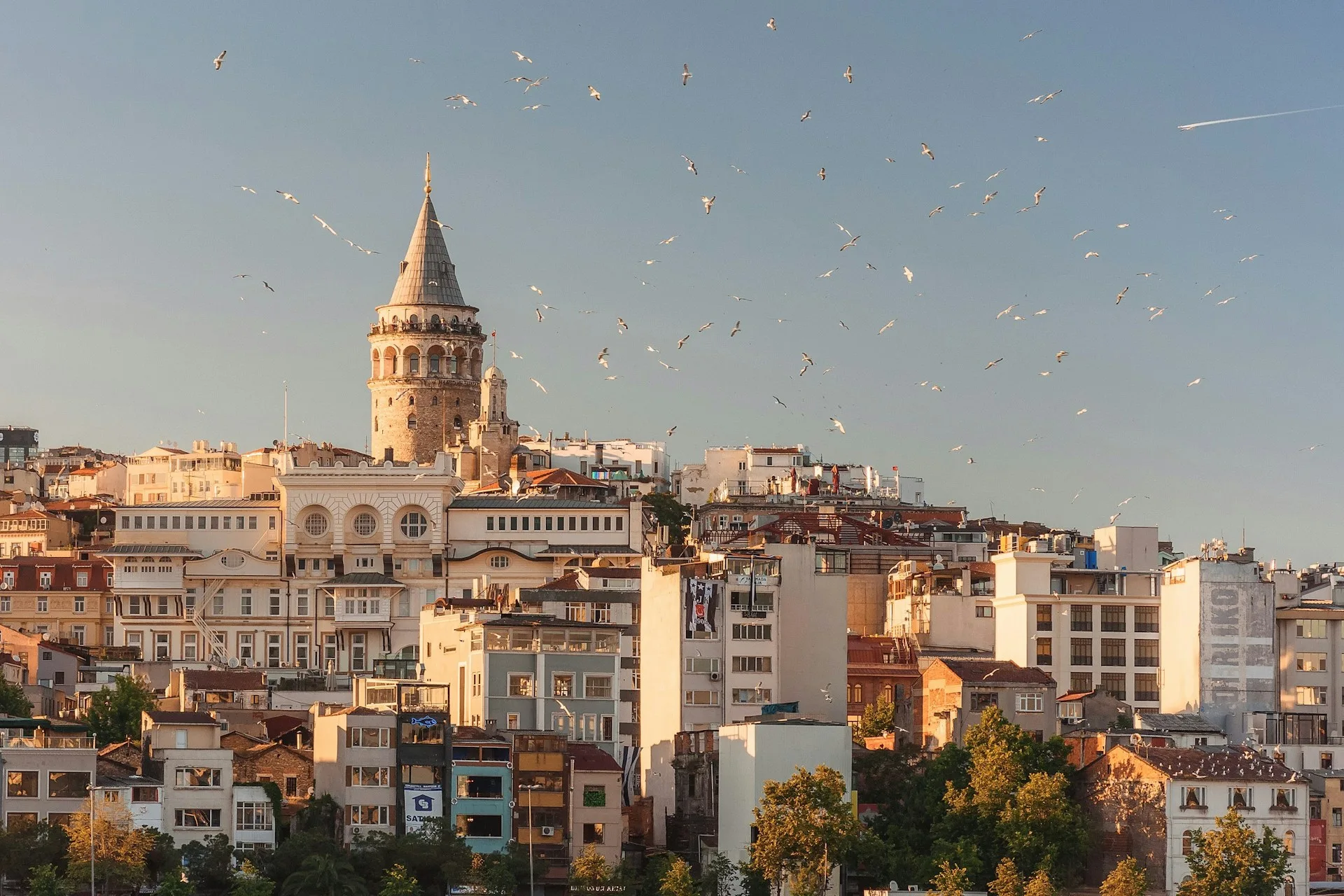
The Bosphorus is often described as a natural border, but for anyone drawn to visual culture, it reads more like a timeline carved in stone. Ottoman-era wooden yalıs (waterside mansions) line the shores in varying states of grandeur, their latticed facades reflecting a craftsmanship that dates back to the 17th and 18th centuries. Between them, neoclassical embassy buildings and the ornate Dolmabahçe Palace sit right at the waterline, designed to be seen and appreciated from the sea.
UNESCO recognized Istanbul’s historic areas as a World Heritage Site in part because of this architectural concentration along the waterfront. Seeing these structures from a yacht, even at a slow cruising speed, offers a sense of scale and composition that photographs taken from the street rarely capture. The Rumeli Fortress, built in 1452 as a military stronghold before the fall of Constantinople, looks entirely different when you approach it from the water, its towers rising against the green hillside in a way that feels almost theatrical.
What makes this experience resonate with art and culture lovers specifically is the layering. You are not looking at a single landmark in isolation. You are watching centuries of architectural ambition pass by in sequence, from the simplicity of early Ottoman wood construction to the European-influenced stone palaces of the 19th century. It is a visual education that happens quietly, without audio guides or ticket queues, just the sound of the water and the slow turning of the shoreline.
Where Food Becomes Part Of The Story
Turkish cuisine carries its own cultural weight. It is one of the world’s oldest and most varied food traditions, shaped by Central Asian, Middle Eastern, Mediterranean, and Balkan influences over many centuries. When that food is served aboard a private yacht on the Bosphorus, the meal becomes something more than dinner. It becomes part of the setting.
A typical onboard spread might include a selection of cold meze (small dishes like hummus, stuffed vine leaves, and smoky eggplant salad), followed by grilled fish caught from nearby waters or a mixed kebab platter with traditional accompaniments. The flavors are straightforward and honest, rooted in seasonal ingredients and generations of kitchen knowledge. For many visitors, this is their first encounter with authentic Turkish home-style cooking outside of a restaurant, and the context makes it land differently.
The cultural dimension of food aboard these cruises is easy to overlook, but it matters. Sharing meze on a deck while the sun drops behind the minarets of Sultanahmet connects the act of eating to the place in a way that a restaurant, however good, often cannot replicate. Travel-inspired culinary traditions from different regions have long been a marker of how cultures communicate and overlap, and Turkish cuisine is one of the clearest living examples of that exchange.
Cruise teams typically handle the entire menu, so there is no need to coordinate caterers or plan dishes in advance. The food arrives as part of the experience, prepared and served while you focus on the view and the conversation. That ease is part of what makes the evening feel so unhurried.
Art, Music, And The Atmosphere On Deck
Beyond the architecture and food, many yacht tours along the Bosphorus can include live music. A solo violinist or a small acoustic set can shift the mood of an evening cruise entirely, adding a layer of atmosphere that sits somewhere between a private concert and a film soundtrack playing over the water.
For visitors with an interest in Turkish musical traditions, this is a chance to hear instruments like the oud or the kanun (a type of plucked zither) in an intimate, unhurried setting. These are not performances staged for large crowds. They are quiet, personal moments shared among a small group, and the acoustics on the water, with the ambient sounds of the strait in the background, give the music a texture that indoor venues rarely match.
Istanbul has always been a city where creative disciplines bleed into each other. Its contemporary art scene, anchored by institutions like Istanbul Modern and the Istanbul Biennial, draws energy from the same layered history that makes the Bosphorus so visually compelling. Spending an evening on the water, with the city’s landmarks glowing under evening light, is not so different from walking through an immersive installation. The difference is that nobody designed it. The city itself is the composition.
Photography is another natural companion to this kind of experience. The changing light on the Bosphorus, particularly during the golden hour before sunset, creates conditions that are difficult to find elsewhere. The reflections on the water, the silhouettes of minarets and bridges, and the warm tones of aging stone all come together in frames that feel intentional even when they are completely spontaneous.
A Few Things Worth Knowing
The beauty of a private yacht cruise on the Bosphorus is how little you actually need to think about beforehand. Reputable operators like Lotus Yat handle the route, the timing, the crew, and the onboard setup entirely, which means your role is mostly just to show up and settle in.
That said, a few things are worth keeping in mind:
-
Time of day matters for the light. Sunset cruises (roughly 6:00 to 9:00 PM in summer) offer the most dramatic visual conditions, while morning departures tend to be quieter and cooler.
-
Group size shapes the mood. Smaller groups (under 10) tend to feel more intimate and allow for more flexibility in the route.
-
Seasonal timing affects the experience. Spring and early autumn in Istanbul are mild and less crowded, making them ideal for both the cruise and any cultural exploration you pair with it on land.
The broader shift toward deeper, more personalized luxury travel has been gaining momentum in recent years, and private yacht cruises fit naturally into that movement. Rather than checking off landmarks from a bus window, this kind of outing lets you absorb a city at a slower pace, surrounded by its history, its food, and its skyline.
UNESCO’s recognition of Turkish coffee culture as an Intangible Cultural Heritage is just one reminder of how deeply tradition runs through everyday rituals in Istanbul. On a yacht, that same spirit carries over into the dining, the music, and the way the crew approaches hospitality. Nothing feels rushed, and nothing feels staged.
Where The Water Meets The Culture
A private Bosphorus cruise is one of those rare experiences where everything cultural about a city, its architecture, its food, its music, its light, comes together without effort. You do not need to be an architecture scholar or a food critic to feel it. The water does most of the work, and the setting does the rest.
Lotus Yat focuses on private yacht cruises and Bosphorus dining experiences in Istanbul, with an experienced crew that manages the details from departure to return. They support different occasions, from quiet evening tours to small celebrations, and the onboard experience can include catering, live music, decorations, and hotel transfers, all coordinated by their team so you stay present rather than planning.