Every day, homeowners across the country struggle with soaring utility bills, which are up 8.5% year on year and can be exacerbated by aging furnaces and traditional cooling systems. If you are looking to replace your current system, you have likely come across the term “heat pump.” This technology is changing how we control the climate inside our homes.
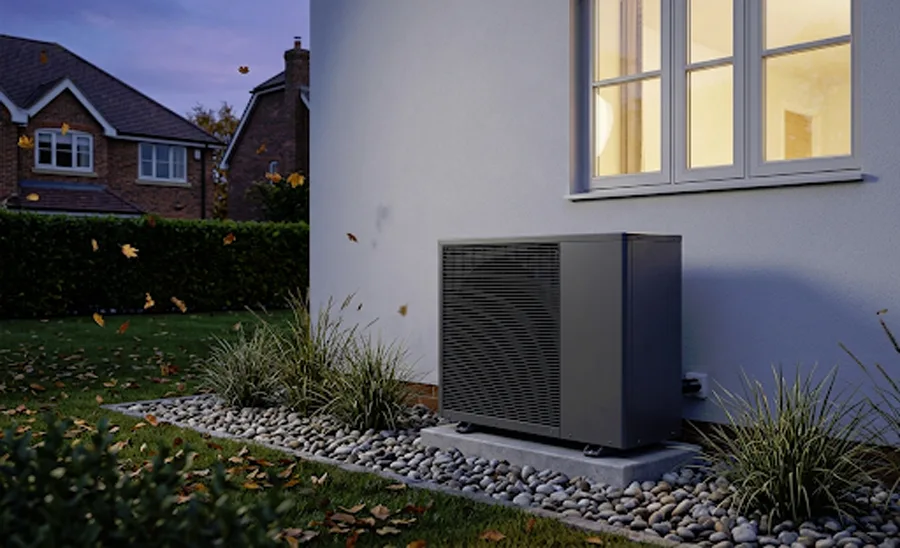
A heat pump does not actually create heat from a fuel source as a standard furnace does. Instead, it acts as a heat transporter. During chilly months, the system extracts residual warmth from the outdoor air and moves it indoors.
When summer arrives, the system reverses this cycle, pulling heat out of your living space and pumping it outside, just like a traditional air conditioner. This dual functionality means you no longer need two entirely separate systems to stay comfortable year-round.
Evaluating Efficiency and Real Costs
Modern air-source heat pumps operate with incredible efficiency compared to fossil-fuel alternatives. In fact, current performance data shows typical Coefficient of Performance metrics ranging from 3.0 to 5.0, meaning they deliver three to five times more energy than they consume. For a typical household, this efficiency converts directly into lower monthly energy bills and a significantly smaller carbon footprint.
When it comes to cold weather, older generations of this technology struggled when temperatures dropped below freezing. Thankfully, engineering breakthroughs have changed the landscape. Advanced variable speed systems safely maintain 100% capacity at 0°F and continue running efficiently down to minus 23 degrees.
Choosing the right equipment requires analyzing your local climate, your existing ductwork, and your overall budget. Working with an experienced team like K Lund Mechanical ensures you select a system that matches the unique architectural demands of your property. A helping hand from experts is always important when making a major change.
Before making the transition, homeowners should weigh these essential operational factors:
- Upfront installation costs can be higher than buying a standalone standard furnace
- Electricity rates in your specific region will dictate your long-term monthly savings
- Smart thermostat compatibility varies depending on the specific variable speed model
The Role of Professional System Sizing
You cannot simply guess the size of the equipment your property requires. Installing a system that is too large will cause frequent cycling, which wears out components early and leaves your home humid. Conversely, a system that is too small will run constantly without ever reaching your desired temperature setting.
Professional installers use a comprehensive load calculation to determine the exact heating and cooling needs of your space. This calculation factors in your regional weather patterns, ceiling heights, window insulation quality, and wall orientations.
Accurate sizing is a non-negotiable element of proper system design and long-term operational balance. Taking the time to execute this step correctly protects your financial investment and guarantees reliable indoor comfort for decades. It’s all part of a broader strategy to elevate your standard of living on a budget.
Planning Your Next Home Comfort Upgrade
Upgrading your HVAC setup is a major decision that influences your daily comfort and your monthly household budget. Exploring historical performance data for variable-speed systems can give you a clearer picture of how these units handle extreme weather. Reading through more of our posts will keep you informed on all sorts of other topics, from current affairs to relationship advice.