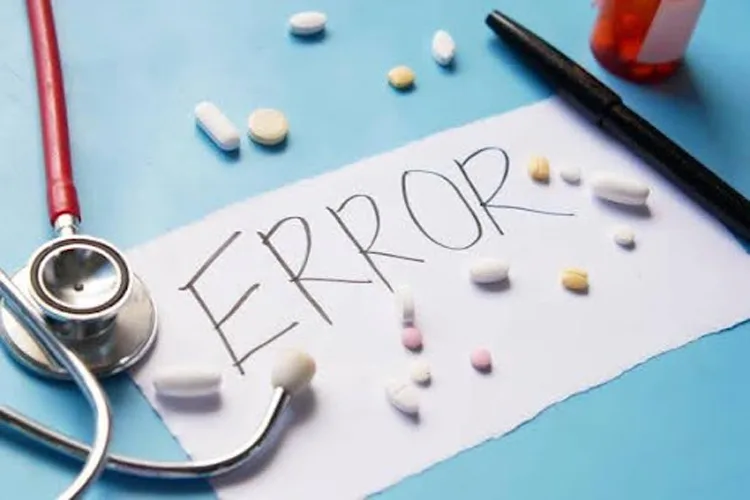
If you were harmed by a medication error, the most important steps are simple: get medical help immediately, document everything, report the issue, and understand your legal options. Acting quickly can protect both your health and your ability to recover compensation.
Chicago, Illinois, is one of the largest healthcare hubs in the U.S. Home to major hospitals and research institutions, it serves millions of patients each year across a wide regional network. Like the rest of Illinois, it follows strict medical malpractice standards and reporting requirements.
If you’re unsure where to begin, seeking legal help from a Chicago medication error attorney can help you build your case.
Put Your Health First
Your safety comes before anything else. If you notice unusual symptoms, like severe dizziness, breathing issues, or confusion, get immediate medical care. Bring your medication bottles, prescriptions, and any instructions you received.
Make sure your doctor clearly documents:
- What medication you took
- What went wrong
- How it affected you
This creates a medical record linking the error to your injury, which is essential in any legal claim. Federal standards like 42 C.F.R. § 482.23 require hospitals to follow proper medication protocols, and violations may support negligence claims.
Document Everything Carefully
Medication error cases often depend on strong, detailed records. Start writing things down as soon as possible.
Keep track of:
- When and how you took the medication
- Symptoms and when they began
- Names of doctors, nurses, and pharmacies involved
Save physical evidence too, like prescription labels, packaging, receipts, and communication. Small details can help establish what happened and who may be responsible.
Report the Error
Reporting the mistake helps create an official record and may prevent harm to others.
Notify:
- The prescribing doctor or clinic
- The pharmacy or hospital involved
Ask if an incident report will be filed. In some cases, you can also report the issue through programs like the FDA’s MedWatch system, which tracks adverse drug events. These reports can later support your claim by showing the error was formally recognized.
Understand Your Legal Rights
In the U.S., medication errors fall under medical malpractice law. To bring a claim, four key elements must usually be proven: duty, breach, causation, and damages.
This means showing:
- A healthcare provider owed you proper care
- They failed to meet accepted standards
- That failure caused your injury
- You suffered measurable harm
Medication errors can involve multiple parties, like doctors, pharmacists, nurses, or hospitals. In Illinois, 735 ILCS 5/2-622 requires a medical expert to review your case early, which makes proper documentation even more important.
Know What Compensation May Cover
If the error caused serious harm, you may be entitled to compensation.
Common damages include:
- Medical expenses (past and future)
- Lost income or reduced earning ability
- Pain, suffering, and emotional distress
In severe cases, long-term care or disability may significantly increase the value of a claim. The goal is to help restore stability after a preventable mistake.
Talk to a Medical Malpractice Attorney
Medication error cases are complex, and small details can make a big difference. A lawyer can help gather records, consult medical experts, and identify everyone responsible.
They can also:
- Handle deadlines and filings
- Communicate with insurers
- Negotiate or take the case to court if needed
Most work on a contingency basis, meaning you don’t pay unless you recover compensation.
Final Takeaways
- Seek immediate medical care and create a clear record.
- Document everything- symptoms, timelines, and providers.
- Report the error to build an official record.
- Understand the four elements of malpractice claims.
- Identify all potentially responsible parties.
- Know the full scope of compensation available.
- Legal guidance can significantly strengthen your case.