Home ownership eventually forces every man into a practical decision: which contractor is actually worth calling. HVAC breakdowns, plumbing emergencies, water heater failures, and handyman backlog all eventually land on the same question: who do you trust in your house, with your family, and with your budget. The answer separates good home-ownership experiences from bad ones, and the difference is usually visible in the research phase long before any work starts.
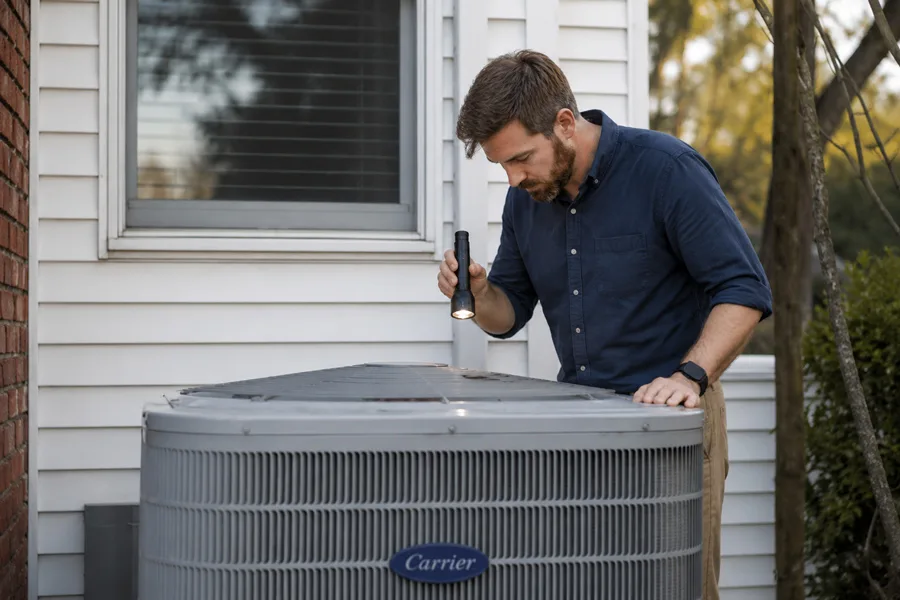
Companies with decades of track record, like Handy Bros (established 1959 and serving Southwestern Ontario), signal a different kind of operation than the storefront that opened last month. Years in business isn’t everything, but it’s a signal worth weighing alongside the other decision factors. Here’s the practical framework for picking a home services contractor that’s worth the call.
Why Does Contractor Selection Matter So Much?
Bad home services experiences are expensive in ways that aren’t obvious upfront.
Repeat failures. A poorly done install creates follow-up problems that cost more to fix than doing it right the first time. A bargain price on a furnace install that was performed sloppily costs 2-3x the savings when the unit fails early.
Safety issues. HVAC, electrical, and plumbing work done by under-qualified people creates genuine hazards. Gas leaks, carbon monoxide, electrical fires, and water damage all trace back to contractor decisions.
Insurance and warranty voids. Work done by uninsured or unlicensed contractors often voids manufacturer warranties and creates insurance problems if something fails later.
Time lost. A contractor who doesn’t show up, takes twice as long as quoted, or leaves the job half-done costs more in missed work days and follow-up scheduling than the price difference vs a premium operator.
Stress. The hidden cost. Chasing a contractor down to finish work, dispute billing, or respond to emergencies is a drag on life that’s hard to quantify but real.
Context from home-tech reviews like the Amazon Echo Show walkthrough shows how the modern home stack assumes reliable professional service behind it; a great smart-home setup on top of a failing HVAC system produces a house that doesn’t work.
What Credentials Should You Actually Verify?
The baseline credentials separate fly-by-night from legitimate operations.
License. Trade-specific licensing (HVAC, plumbing, electrical) is legally required in most Canadian provinces and US states. Verify the license number and check it’s in good standing on the province or state’s licensing portal.
Insurance. Liability insurance protects your home if something goes wrong. Workers’ compensation protects you if a worker is injured on your property. Ask for certificates; reputable companies send them without hesitation.
Manufacturer certifications. HVAC brands certify specific installers. An installer who’s factory-trained on your specific furnace or AC brand troubleshoots faster and maintains warranty coverage.
Better Business Bureau rating. BBB isn’t definitive but is a useful screen. Look for A rating or better, low complaint volume relative to years in business, and responsiveness to any complaints that do appear.
Trade association membership. Professional associations (HRAI in Canada, ACCA in the US) signal ongoing training and industry engagement. Not required, but a positive signal.
Local permits history. For big jobs requiring permits, check the local building department for the contractor’s track record. Frequent permit revisions or failed inspections are warnings.
How Should Pricing Transparency Work?
Legitimate contractors price openly; shady ones don’t.
- Itemized quotes. A quote should list labor, materials, and any subcontracted work separately. Lump-sum “it’ll be about this much” is a red flag on anything over $500.
- Fixed vs hourly. For routine work, fixed pricing protects you. For diagnostic work or unknown-scope repairs, hourly with a cap is reasonable.
- Written estimates. Verbal numbers don’t bind anyone. A signed written estimate before work starts is basic protection.
- Scope change protocol. Good contractors document scope changes in writing before doing the extra work. Bad ones surprise you with a larger bill at the end.
- Payment schedule. Avoid contractors demanding full payment upfront. 10-30% deposit is standard on bigger jobs; the rest on completion.
- Warranty terms. Parts warranty (from the manufacturer) and labor warranty (from the contractor) should both be written and time-bound.
- Emergency pricing. If you might need emergency service, ask about after-hours rates before the emergency happens.
Consumer guidance from Consumer Reports on home services tracks how pricing transparency has evolved across home services categories in recent years.
What Signals Matter When You’re Actually Evaluating Companies?
The signals that predict good outcomes.
Reviews across multiple platforms. Google reviews, Yelp, Angi, Nextdoor. Consistency across sources matters more than any single glowing review. Watch for a pattern of specific complaints (no-shows, surprise charges, quality issues).
Response time to initial inquiry. A contractor who takes 3 days to return your call will respond the same way when you have an active problem. Good companies respond in hours, not days.
Clear communication style. Early calls reveal whether the company explains clearly or talks over you. You’ll have the same experience during actual work.
In-person presentation. The technician who arrives on time, clean, with proper ID, and respects your home is the one who will do clean work inside walls you can’t see.
Questions they ask. A contractor who asks about your family’s comfort needs, system history, and budget constraints is taking the work seriously. One who quotes without asking is guessing.
Follow-up after work is done. Good companies call back a week later to check satisfaction. Absence of follow-up doesn’t necessarily mean bad work, but presence signals operational maturity.
Willingness to explain. A contractor who walks you through the work, the options, and the tradeoffs is training you to be a better customer. One who says “trust me, I’m the expert” is a risk.
Related framing from the Atmoph 2 home ambiance review captures how comfort-focused home decisions need support infrastructure that lives up to the aesthetic.
What Are the Red Flags to Watch For?
Patterns that predict trouble.
Door-to-door sales. Legitimate contractors don’t usually knock. Door-to-door HVAC or roofing sales target vulnerable homeowners with high-pressure tactics. Politely decline and research independently.
Cash-only payment. Reputable businesses accept cards, cheques, and financing. Cash-only usually means no paper trail for tax or warranty purposes.
No physical address. A contractor who operates from a phone number with no office or service address is hard to pursue if something goes wrong.
Pressure to decide today. “This special ends tonight” tactics are sales pressure, not legitimate service. Real pricing holds for weeks.
Massive price swings. If three contractors quote $3,000, $4,500, and $900 for the same job, the $900 quote is leaving something out. Lowest price is often the highest cost over the project lifecycle.
Vague about employees vs subcontractors. Legitimate companies tell you who will actually be in your home. Vague answers usually mean subcontracted crews with less accountability.
No warranty. Work without warranty is a confession that the contractor doesn’t stand behind it. Even simple handyman jobs should include some guarantee period.
Research on home energy efficiency from ENERGY STAR’s home services guidance covers the bigger picture of how contractor quality affects long-term home system performance.
What to Remember
- Home services contractor selection carries real stakes: repeat failures, safety, warranty voids, time loss, and stress all compound with bad choices
- Verify license, insurance, manufacturer certifications, and BBB rating before calling
- Pricing should be itemized, written, and scope-clear with defined change protocols
- Signals that predict good outcomes: multi-platform reviews, fast response, clear communication, professional presentation, questions about your needs, follow-up after work
- Red flags: door-to-door sales, cash-only, no physical address, pressure to decide today, massive price swings, vague about who does the work, no warranty
The Bottom Line on Picking a Home Services Company
Home ownership is a decade-spanning relationship with the trades that keep your house running. The contractors you build a relationship with early repay the research with faster response, better pricing, and fewer surprises when something goes wrong at the worst time. The two-hour investment in verifying credentials, reading reviews, and getting multiple quotes on a single decision pays back across every future call. For men in their homeowner years, developing a short list of trusted home services companies (HVAC, plumbing, electrical, general handyman) is one of the highest-impact life-admin tasks available.
Frequently Asked Questions
Should I always get three quotes before hiring a contractor?
For jobs over $2,000, yes. For smaller jobs and established trusted contractors, one quote often works. The rule scales with dollar amount and unfamiliarity.
How do I check if a contractor is really licensed?
Provincial or state licensing bodies have online lookup tools. Type the business name or license number; verify status and any disciplinary actions. Takes two minutes.
What’s a reasonable deposit on a big home services job?
10-30 percent on signing, with the balance on completion. Avoid contractors demanding 50 percent or more upfront, or full payment before work starts.
How often should I get a furnace or AC tune-up?
Annually, for each system. Twice-yearly maintenance plans work well for older systems or homes with heavy use. Bundled maintenance contracts often save money versus one-off calls.