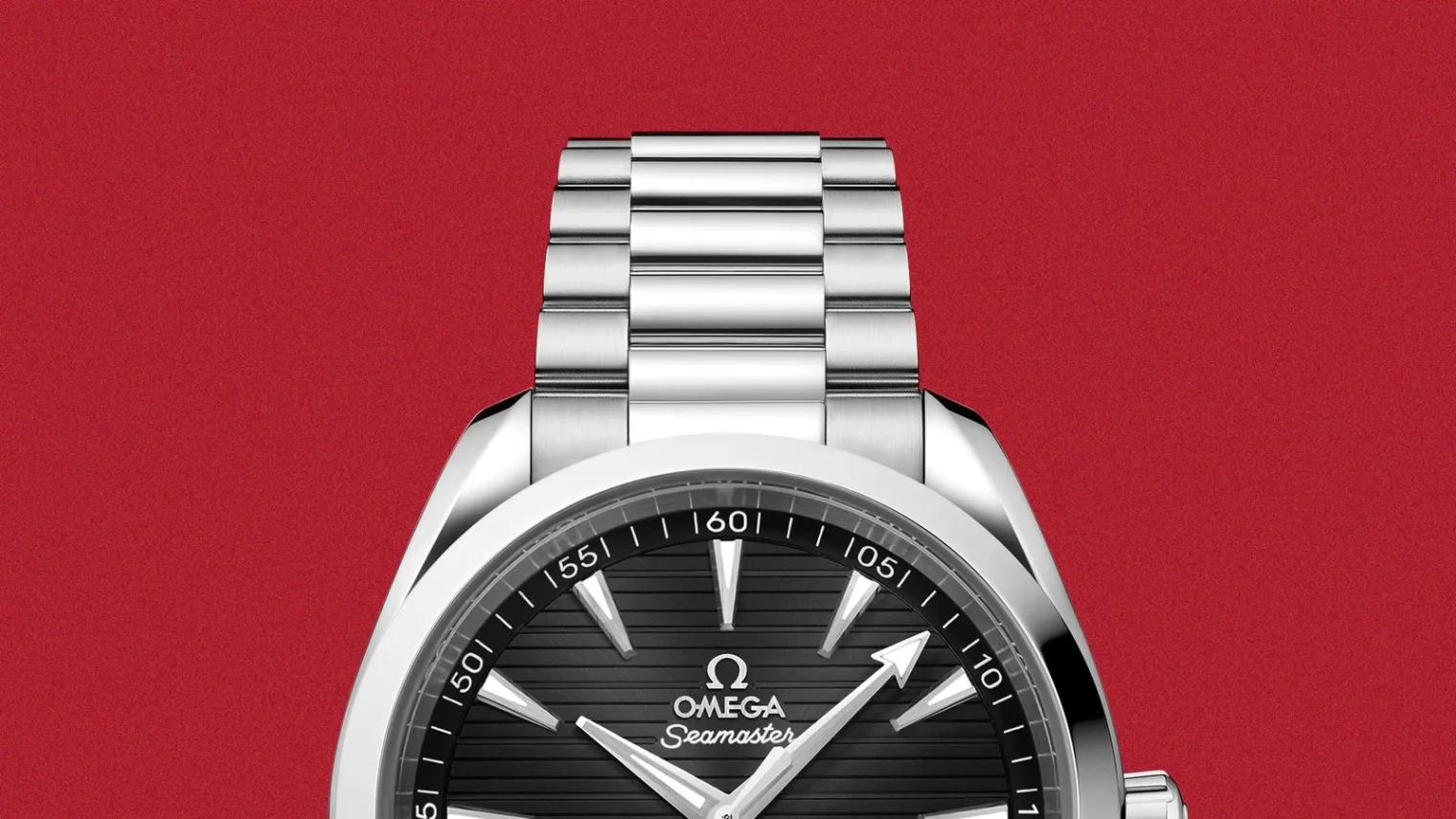
Omega did not hold a press event for this one. There was no teaser, no ambassador, no limited-edition box set. The brand simply swapped the bracelet on its best everyday watch, marked eight references “new” in its online catalog, and waited for someone to notice. Gear Patrol noticed. The classic teak-dial Seamaster Aqua Terra, the steel sports watch Omega built to do everything, now wears a redesigned bracelet with a Comfort-Fit clasp that adjusts on the fly. The dials have not changed. The movements have not changed. The price is $7,400, and all eight versions are on sale now.
What actually changed
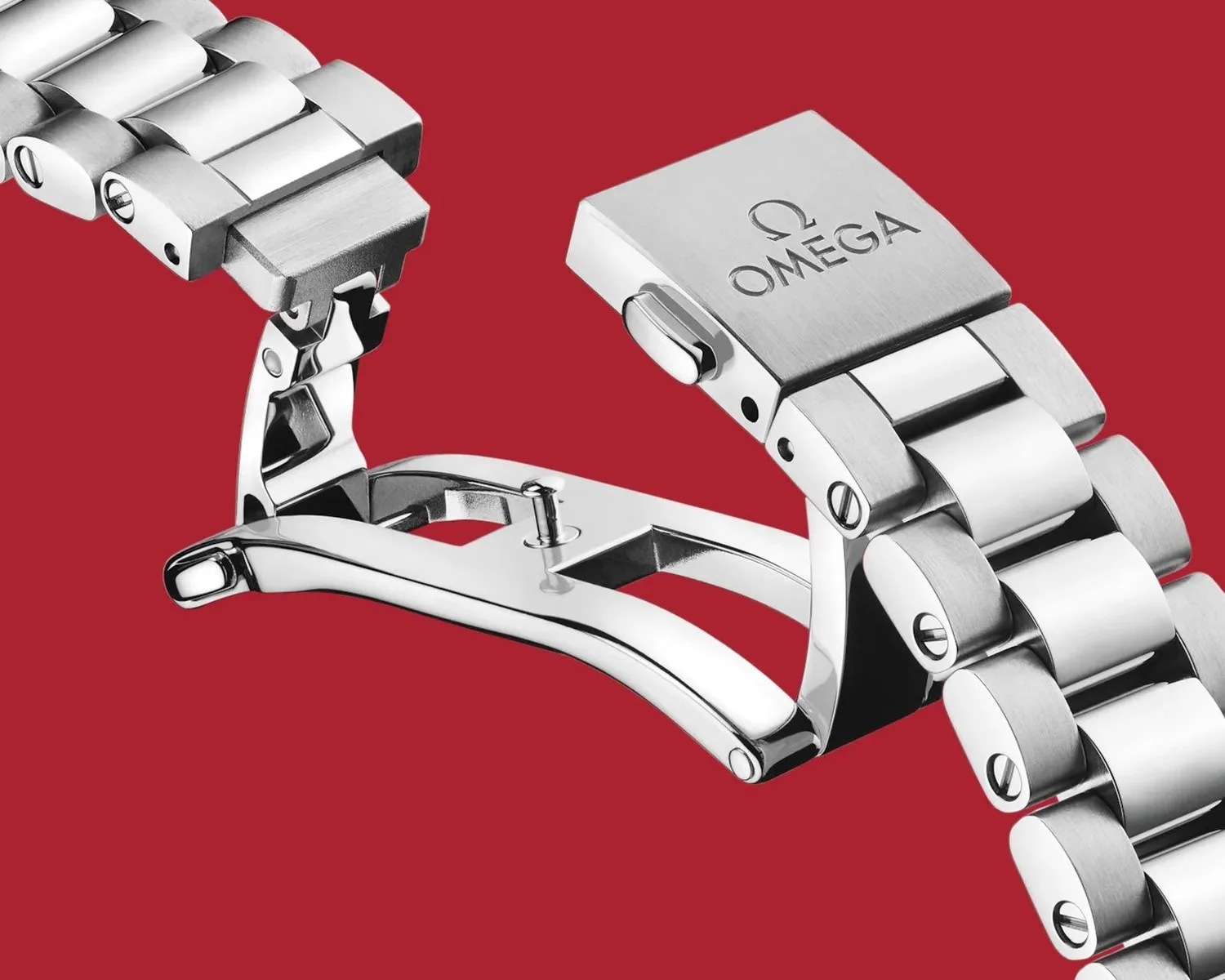
The headline change is the clasp. Omega calls it Comfort-Fit, and it is a butterfly clasp with 2mm of on-the-fly travel. That means you can loosen or tighten the bracelet as your wrist swells and shrinks through the day, with no tools and no trip to a jeweler. Anyone who has worn a steel bracelet through a long flight or a hot afternoon knows why that matters. A bracelet that fit at breakfast can feel like a tourniquet by dinner.
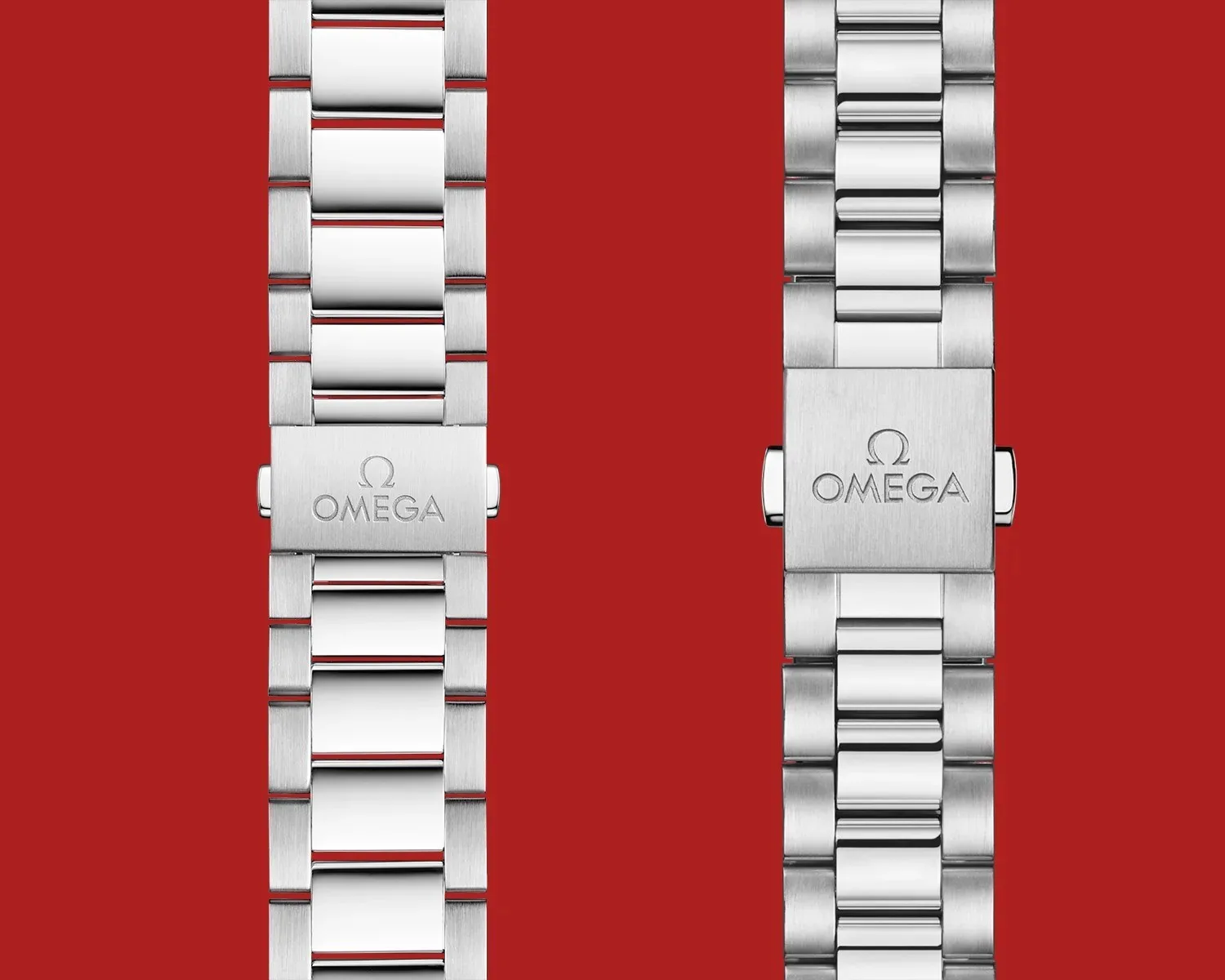
But the clasp is only half the story. Omega confirmed to Gear Patrol that the rest of the bracelet is new as well. It integrates into the case better than before, tapers 2mm from the end link to the clasp, and its links have been redesigned to be rounder, with tighter tolerances between them. The result is a bracelet that moves more fluidly on the wrist. The finish split stays the same: brushed outer links, polished center links. Watch forums have complained about those polished centers for years, and they are still there. But the rounder, smaller links suit them better than the old design did.
This bracelet is not brand new to Omega. The same design already appears on the newer Aqua Terras without teak dials, the black lacquer and turquoise versions introduced in 2024. What is new is that it has finally reached the classic teak-dial models, the ones that have carried the Aqua Terra name the longest.
Why a bracelet upgrade matters more than it sounds
A bracelet is the part of a watch you actually feel. The dial is for looking at. The bracelet is for living with, all day, every day, through heat, travel, and long desk sessions. On-the-fly adjustment has become the feature collectors ask about first, and it is the detail that separates a bracelet you tolerate from one you forget you are wearing. The old Aqua Terra bracelet was not bad. It was simply from an earlier era, before microadjustment became standard on a watch at this price. This update closes that gap without changing the watch’s character.
There is a broader lesson here, too. Brands usually save their loudest announcements for new dials and new complications. The quiet updates, the ones that fix how a watch wears, are often the ones owners appreciate most. Omega made this one without fanfare, which says something about how the brand sees the Aqua Terra: not as a launch vehicle, but as a watch that earns its keep by being right.
The watch underneath is the same, and that is the point
Nothing about the dial has changed, and that is good news. The teak pattern, horizontal lines modeled on the wooden decks of luxury yachts, remains the Aqua Terra’s signature. It comes in four colors, blue, black, green, and white, in both 41mm and 38mm cases. The 41mm runs Omega’s Calibre 8900, a METAS-certified Master Chronometer with a 60-hour power reserve and resistance to magnetic fields up to 15,000 gauss, per Omega’s spec sheet for the blue 41mm. It is water resistant to 150 meters, it has a date window at 6 o’clock, and the 41mm adds a jumping local hour hand, so you can switch time zones without stopping the movement. That last detail is what makes the 41mm a genuine travel watch, not just a watch that looks like one.
The Seamaster name carries a long history, and Omega has been putting its watches on screen icons since the 1960s, when Don Draper wore a Seamaster DeVille. The Aqua Terra is the modern, everyday expression of that lineage: a watch that works with a suit and a swimsuit, and looks right in both.
Eight references got the upgrade, and two did not
The update covers eight stainless steel references: the 41mm and 38mm sizes in blue, black, green, and white. All eight carry the same $7,400 price. It is not a family-wide rollout, though. The Summer Blue and Small Seconds models have not received the upgrade, and they still use the old bracelet and clasp. If you are shopping for one of those two, check which bracelet is on the watch before you buy. The difference is visible once you know what to look for: the new clasp is larger, and the links sit tighter together.
Price, availability, and the verdict
All eight updated references are available now at $7,400, listed on Omega’s Aqua Terra collection page. That puts the Aqua Terra in serious company, and it is worth being clear about what the money buys. At the other end of the spectrum, the $320 Casio CMK-100 proves how much watch $320 can buy in 2026. In the middle, the $2,750 Oris Doraemon shows what a limited edition with real character costs. The Aqua Terra sits above both, and its case is not about specs on a page. It is about a watch you can wear every day for decades, with a movement certified to a standard most brands never attempt, and a bracelet that now adjusts to your wrist instead of the other way around.
I have not worn the new bracelet yet, so this is not a wear test. On paper, though, Omega fixed the Aqua Terra’s most cited weakness without touching anything that made the watch work. If you already own a teak-dial Aqua Terra, this is not a reason to trade up. If you have been waiting for the right moment to buy one, the wait just paid off.


