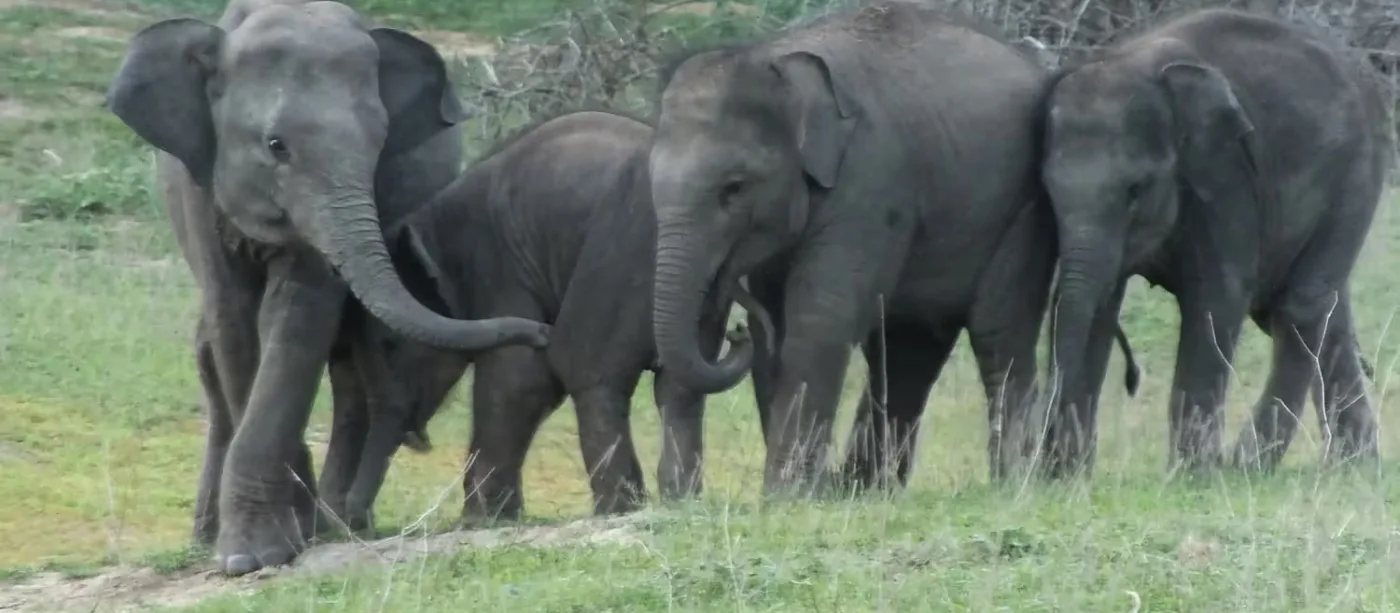
Most first trips to Sri Lanka follow the same route. Sigiriya at sunrise, the cave temples at Dambulla, the ruins of Polonnaruwa. They are worth every minute. But they are one corner of a much bigger island, and the places beyond them are where a trip turns into something else.
Kate Pook of Red Dot Tours has been back to Sri Lanka more than a dozen times since 2007, and her latest guide for A Luxury Travel Blog lays out the detours worth taking. I have not been yet, so this is her map, not mine. Here is where it points.
When to go
Sri Lanka has two monsoons, which means somewhere on the island usually has good weather. The southwest monsoon hits the south and west coasts from around May to July. The northeast monsoon reaches the north and east from roughly October to December. July to September is mostly sunny, with short, warm showers.
The south and west coasts are best from December to March. The east coast is best from April to September. The hill country peaks from February to April, and it is driest from June to August. Pick your month by what you want to do, the way I wrote about picking the right season in New Zealand.
Gal Oya: the one place to pick
If you only add one stop, make it Gal Oya. The park is built around Senanayake Samudra, Sri Lanka’s largest reservoir, and it is the only national park in the country where you can take a boat safari. You drift past forested islands and, with luck, watch elephants swim from one to the next.
Stay at Gal Oya Lodge on the park’s edge. Nine thatched bungalows and a family villa sit in 20 acres of private forest, all open-air bathrooms and local materials. Make time for a morning in the forest with one of the last Vedda communities, Sri Lanka’s indigenous forest dwellers. Getting there takes more than six hours from Colombo, which is a big part of why it is so peaceful.
Kumana and the east coast
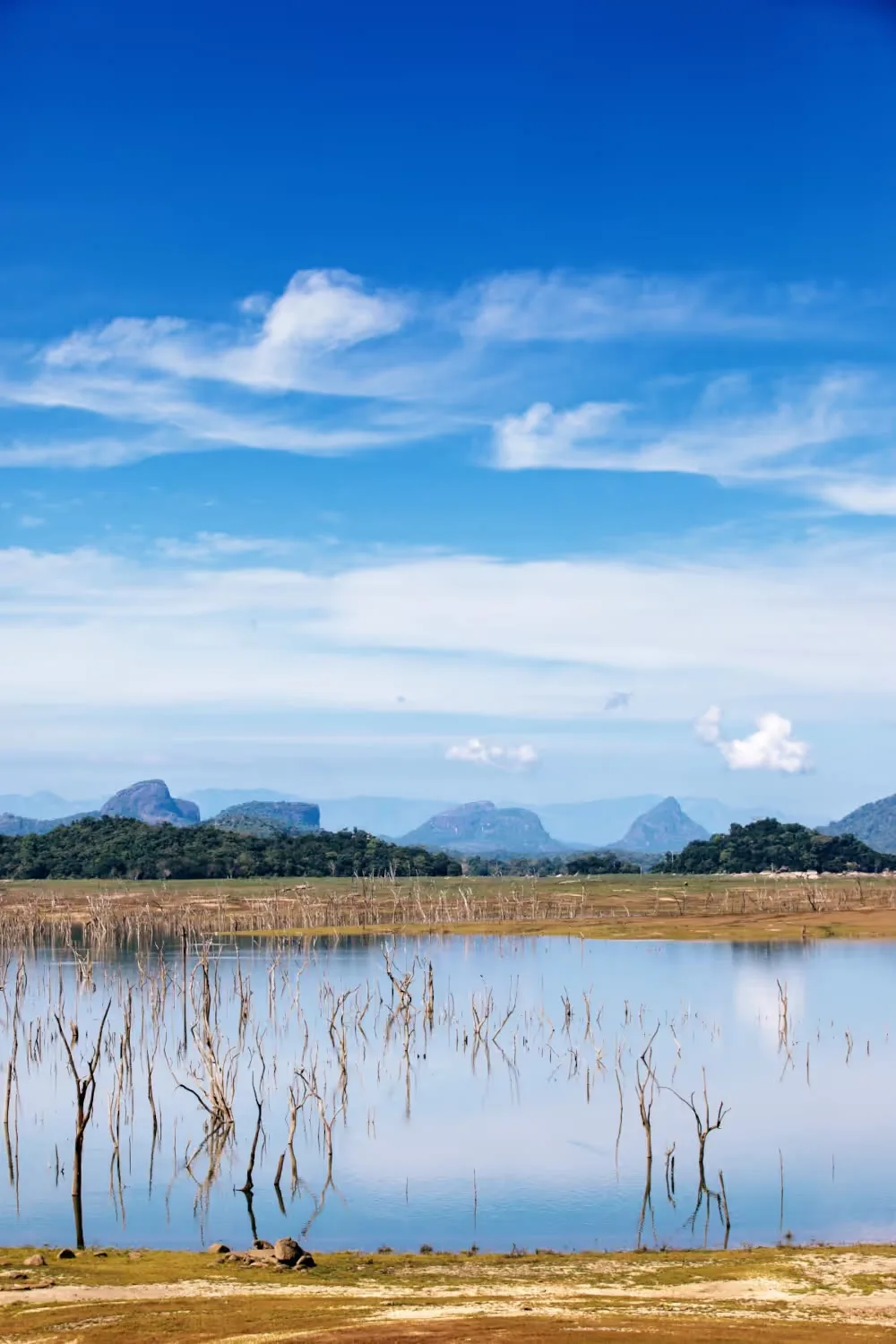
Most leopard hunters head to Yala. Kumana, once called Yala East, sits across the Kumbukkan Oya river and gets far fewer jeeps. It has leopards and elephants, but the real draw is the birdlife. Around 255 species have been recorded here, and in May and June the Kumana Villu mangrove swamp fills with nesting pelicans, painted storks and spoonbills. The main gate near Okanda is under an hour from Arugam Bay, so it slots into a summer stay on the east coast.
The east coast itself is quieter and far less developed than the south and west. Trincomalee has one of the finest natural harbours in Asia, watched over by the Koneswaram temple. A short boat ride from Nilaveli takes you to Pigeon Island, where the snorkelling over coral is among the best in the country. Summer is also whale season off Trincomalee, with blue whales and dolphins on a crewed catamaran.
Walking the Pekoe Trail
The hill country is well known, and the Kandy to Ella train gets very busy in peak season. Walking the Pekoe Trail is a completely different way to see it. Sri Lanka’s first long-distance walking route runs around 300km in 22 stages, from the hills outside Kandy to Nuwara Eliya via Hatton, Haputale and Ella. Much of it follows the old paths once used to carry tea from the estates to the factories.
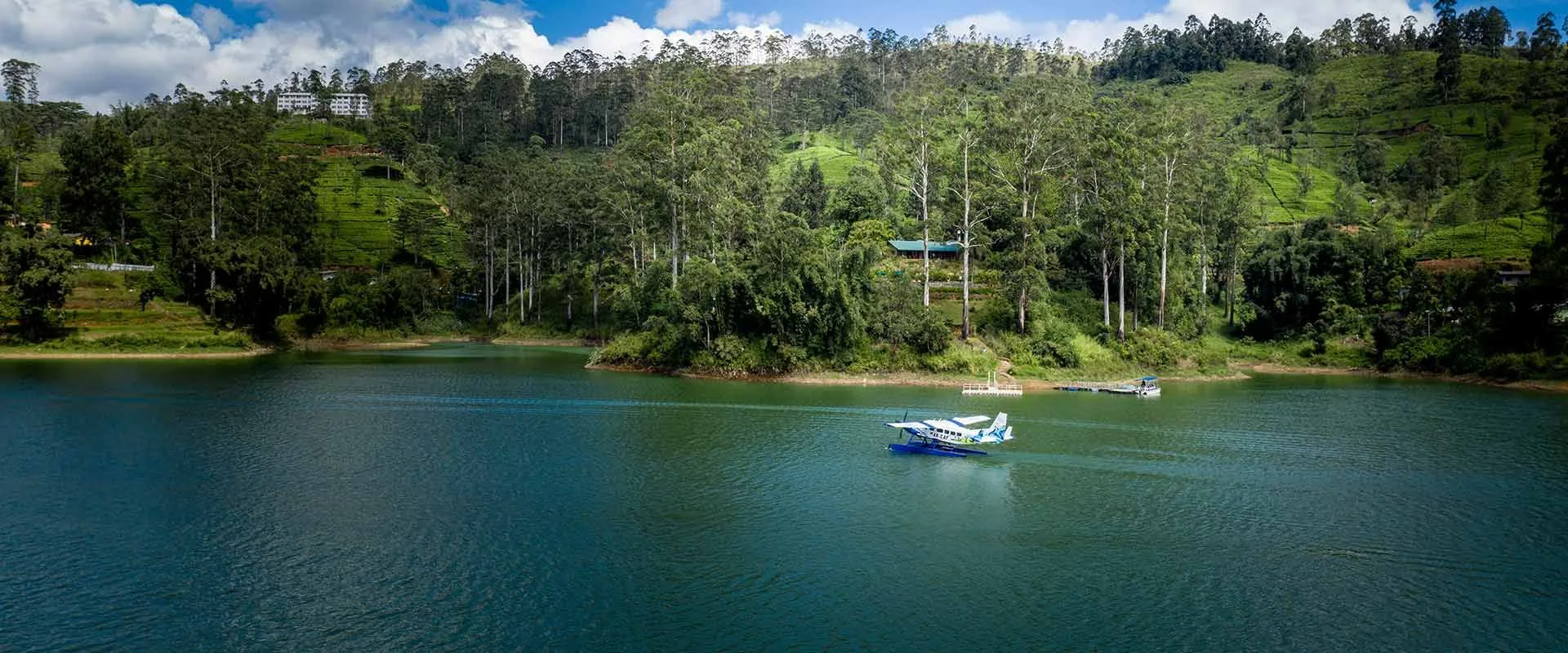
Most people walk a stage or two. For a base, Ceylon Tea Trails is hard to beat. Its five restored tea planters’ bungalows sit around the Castlereagh Reservoir near Hatton, in the Bogawantalawa valley. It was the first Relais & Châteaux property in Sri Lanka.
Jaffna and the far north
Few first-time visitors make it to the far north, and it feels very different from the rest of the island. Jaffna is the heart of Sri Lankan Tamil culture, with a Hindu temple on almost every street. The best day out is a private boat to Delft, a remote island with coral stone walls, wild horses left behind by the Portuguese and a baobab tree said to be a gift from Arab traders.
Back on the peninsula, take an outrigger canoe out on the lagoon, then eat a Jaffna crab curry made by local women. Jetwing Jaffna makes a comfortable base, and its rooftop bar is a good place to end the day with an arrack cocktail over the lagoon.
Wilpattu and Wasgamuwa
Two more parks round out the map. Wilpattu is Sri Lanka’s largest national park, more than 1,300 square kilometres of forest and scrub in the northwest. Its name means land of lakes, and the villus draw leopards and sloth bears. Go between May and July, when the bears come out to feast on palu fruit.
Wasgamuwa sits around two hours from Sigiriya and is much quieter than Minneriya, with around 150 elephants. An afternoon safari with field researchers from the Sri Lanka Wildlife Conservation Society puts your money toward the villages and elephants living side by side.
Putting a trip together
You do not have to choose between these places and Sigiriya. Most luxury tours pair a few days among the ancient cities with a stop like Wilpattu or Gal Oya. Distances look short on a map, but the roads are slow, so the order you travel in and the time of year matter. A private chauffeur guide makes a real difference, and the smaller lodges only have a handful of rooms, so book early. The same planning rules apply as anywhere else, including the budget travel tips I wrote for world travel.
The full guide that shaped this piece is Kate Pook’s Sri Lanka beyond the Cultural Triangle on A Luxury Travel Blog, written for Red Dot Tours. If Sri Lanka is on your list, start there.


